NOTE: This blog is a follow-up to my last post, The Mangroves of Key West, in that it takes place in the Florida Keys.
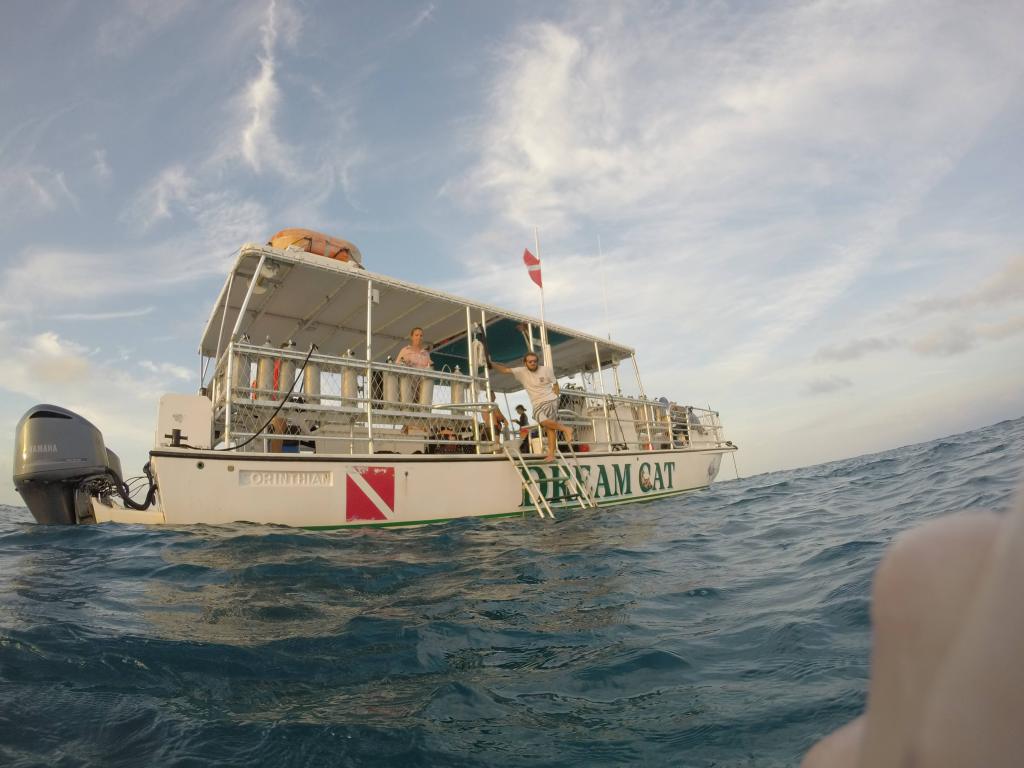
Anyway, in case you didn’t know, I’m a certified scuba diver. And if you’re a certified scuba diver who finds yourself in the Florida keys, there is one thing you must do. DIVE!! So that’s what my dad and I set out to do. We went on a dive boat called the Dream Cat and headed out to a nearby reef. Once my dad and I dove in, I immediately noticed the amount of dead coral around the reef. I’ve seen documentaries about coral reef loss but this was the first time I’ve actually seen it in person. And the worst part is that it wasn’t in one particular secluded area, it was in many spots around the reef that we were diving in. According to The Guardian, as little as 2% of original coral cover remains around the Florida coast. This is especially disconcerting to Floridians since the Florida reef is estimated to be worth about $8 billion to the state economy. As well as provide about $600m in infrastructure since coral reefs can be natural barriers to storms and hurricanes.
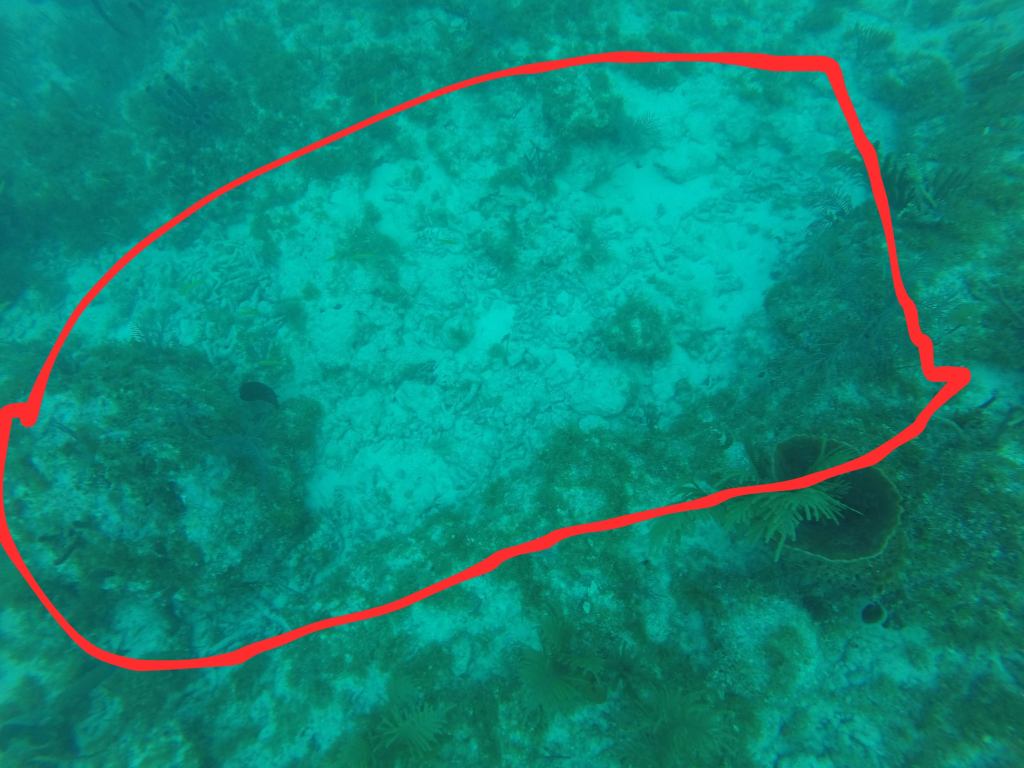
Now, there are some explanations as to why this is happening. For one, agricultural runoff from farms around the surrounding region can seep into rivers and streams that eventually discharge into the ocean and degrade the water quality around the reefs. Sunscreen has been proven to also hurt coral by damaging the DNA of the coral and causing it to have deformities and abnormal growth according to SustainableTravel.org. Disease has also played quite a large part in the destruction of the reefs. According to NOAA.gov, disease has been reported in practically every region along the coast, worse yet this has been around since 2014, so it’s still ongoing. Exactly what pathogen or virus is causing the outbreak is unknown but researchers are still looking into it.
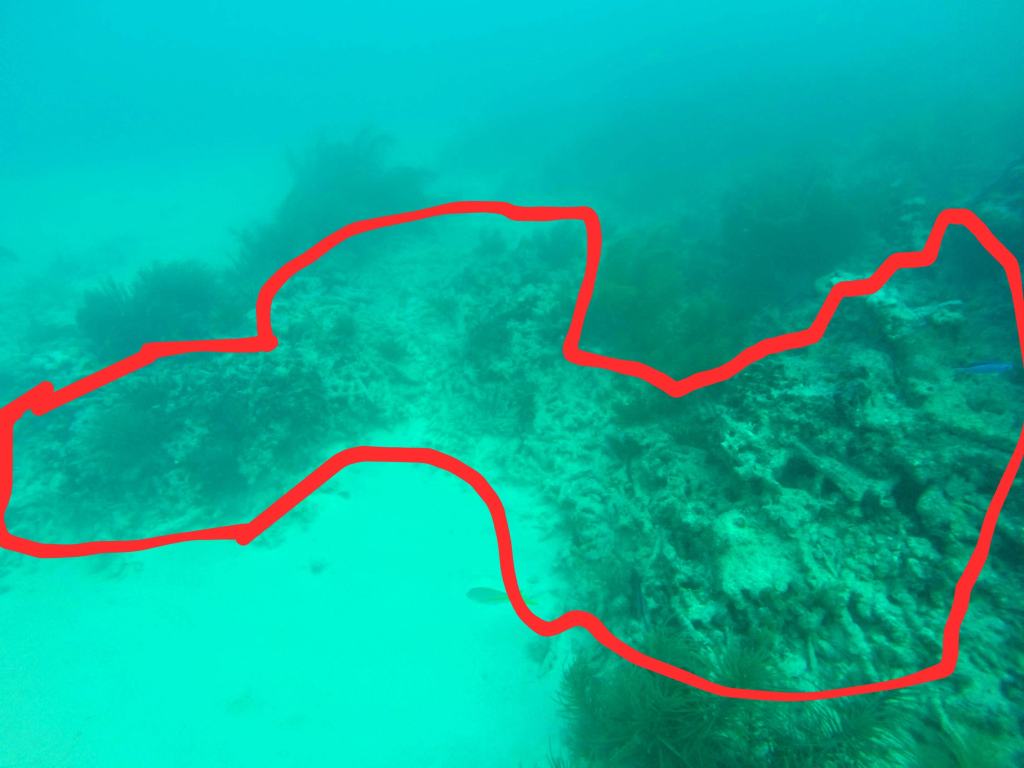
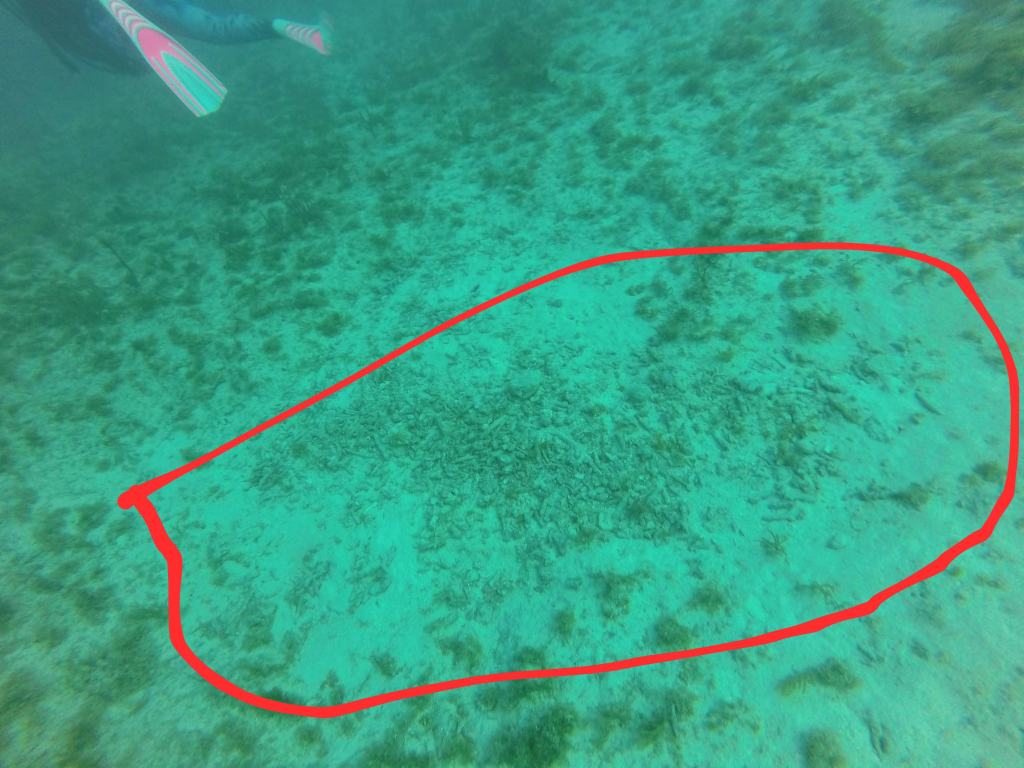
Lastly, this problem needed its own paragraph because you may already know what I’m gonna talk about. Climate change. The warming of the oceans from climate change has proven to be the #1 killer of coral. Increasingly warming water temperatures has caused many corals around the world to become stressed and begin to bleach due to the highly fluctuating temperatures. For those unaware, coral bleaching is when coral expels the symbiotic, meaning friendly, algae that live in their tissues. These algae in particular are what make up the color of the coral so that’s why the coral looks white when they expel the algae. And if the coral stay stressed long enough they die. To be honest, you guys have probably heard enough about what we need to do to stop climate change so I won’t beat the dead horse on that one. Here’s to a more eco-friendly 2022.

Photo of my dad and I
Sources
Australian Institute of Marine Science. (n.d.). Coral bleaching. Retrieved November 2, 2024, from https://www.aims.gov.au/docs/research/climate-change/coral-bleaching/coral-bleaching.html#:~:text=Coral%20bleaching%20occurs%20when%20corals,food%20in%20return%20for%20protection
National Ocean Service. (n.d.). Are corals animals or plants? Retrieved November 2, 2024, from https://oceanservice.noaa.gov/facts/coral.html#:~:text=Most%20structures%20that%20we%20call,dead%20skeletons%20of%20other%20polyps
Science. (2024). Scientists track Florida’s vanishing reef. Retrieved November 2, 2024, from https://www.science.org/content/article/scientists-track-florida-s-vanishing-barrier-reef#:~:text=%22We’ve%20lost%2090%25,wide%20branches%2C%20have%20nearly%20vanished.&text=But%20Florida’s%20ailing%20reefs%20probably%20can’t%20keep%20pace
Science. (2024). Florida’s coral reef disease outbreak. Retrieved November 2, 2024, from https://www.science.org/content/article/scientists-track-florida-s-vanishing-barrier-reef#:~:text=%22We’ve%20lost%2090%25,wide%20branches%2C%20have%20nearly%20vanished.&text=But%20Florida’s%20ailing%20reefs%20probably%20can’t%20keep%20pace
Milman, O. (2020, November 18). ‘Dire outlook’: Scientists say Florida reefs have lost nearly 98% of coral. The Guardian. https://www.theguardian.com/environment/2020/nov/18/coral-reefs-florida-dire-outlook
 GenZ-Earther
Leave a comment