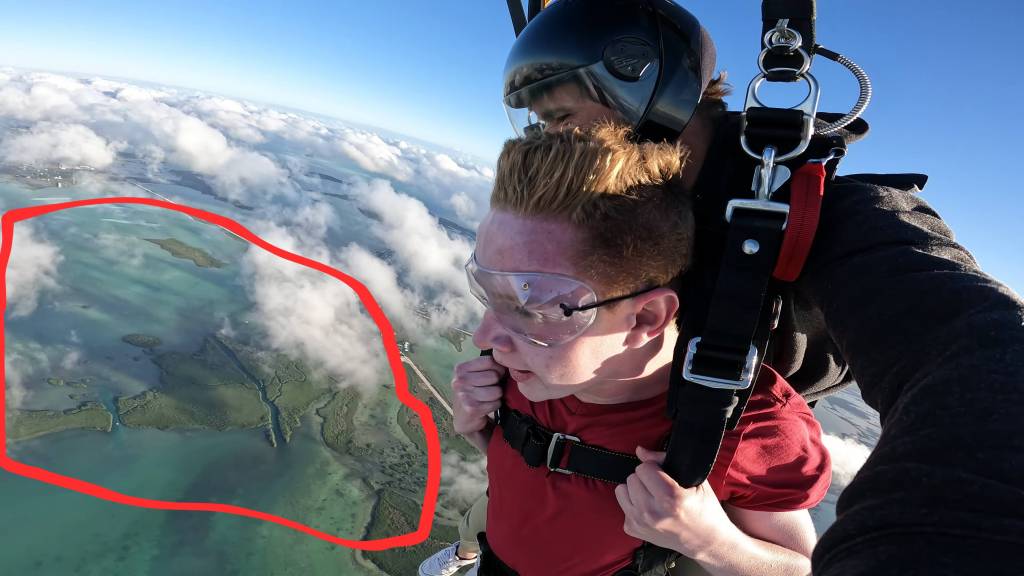
The week before Christmas I was lucky enough to head out to Key West, Florida with some family. For those unaware, Key West is the westernmost inhabited island of Florida. One of the most notable parts the island is that it contains the southernmost part of the United States, which is about 90 miles or 145 kilometers from Cuba. However, one thing that stuck out to me the most from the Island was the number of mangroves surrounding the island. For those who don’t know mangroves are aquatic trees that flourish in salty water specifically in intertidal zones. Which are zones where then land and water meet. This makes mangroves the only tree species able to grow in salty water (U.S. Fish and Wildlife). They do this by taking the water that they absorb and excrete the excess salt through their leaves. They are also excellent buffers from storms and help protect people and property from harm during hurricanes and tropical storms. Lastly, they are amazing carbon sinks and are even 10x more effective at taking in carbon than on land ecosystems (Conservation.org).
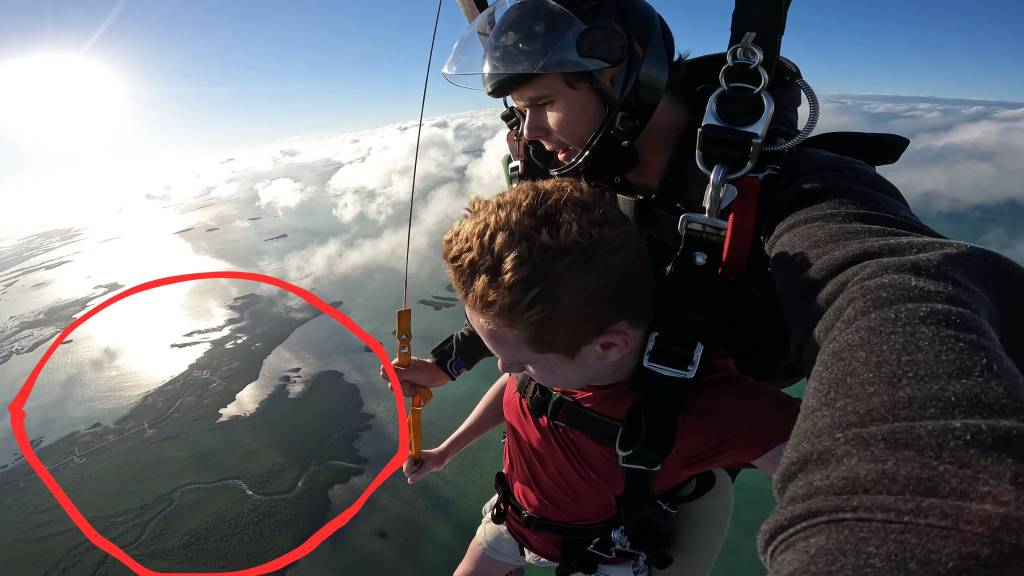
Thank you for reading and feel free to check out my sources below!
Sources
Mangroves: 11 Facts you need to know. Mangroves – 11 facts you need to know. (n.d.). https://www.conservation.org/stories/mangroves-facts
Alagna, M. (2023, August 14). Mangroves: Invaluable to wildlife, Coastal Ecosystem: U.S. Fish & Wildlife Service. FWS.gov. https://www.fws.gov/story/2023-08/mangroves-invaluable-wildlife-coastal-ecosystem
 GenZ-Earther
Leave a comment