
Picture of Purdue bell tower. Source: My camera roll
One of the best things about Purdue University is its diversity. It is amazing to have such a diverse set of people that all come from different backgrounds, ethnicities, countries, and religions to study at Purdue. And it’s vital that we as a student community make sure that we carve out safe spaces on campus for students of minority groups and backgrounds to make sure that they can find their clique at Purdue.
However, as much as the university allows for such diversity on campus, I believe that we as students don’t do enough to reach out of our comfort zones or groups to meet and mingle with people from different backgrounds from our own. What I mean by this, is that Purdue’s population is still very fragmented in regards to the groups that people form. Greek life is primarily made up of white students with not a lot of minority students involved with the exceptions of separate historically black fraternities and sororities. International students, particularly those from east and southeast Asia typically only make friends and form communities with students from the same country or region of origin. These are just a couple of examples but the point I am trying to make is that these type of groups run the risk of isolating themselves from the vast diversity that Purdue has to offer. In return, people lack the necessary international understanding and multicultural perspectives that are desperately needed within today’s workplace. We risk running into echo chambers where we only talk to and hear back from people with the same or similar perspectives. Now, this is not to say that these communities that I previously mentioned are inherently a bad thing. Like I said, it’s necessary to create a space for people of similar characteristics to be able to meet and form connections, especially for minority groups. And after all, it’s easier to make friends with people that you have the most in common with. However, there’s a balance to this. To put it one way, you don’t want an open and shared neighborhood only to have all the houses within it have shut and locked doors.
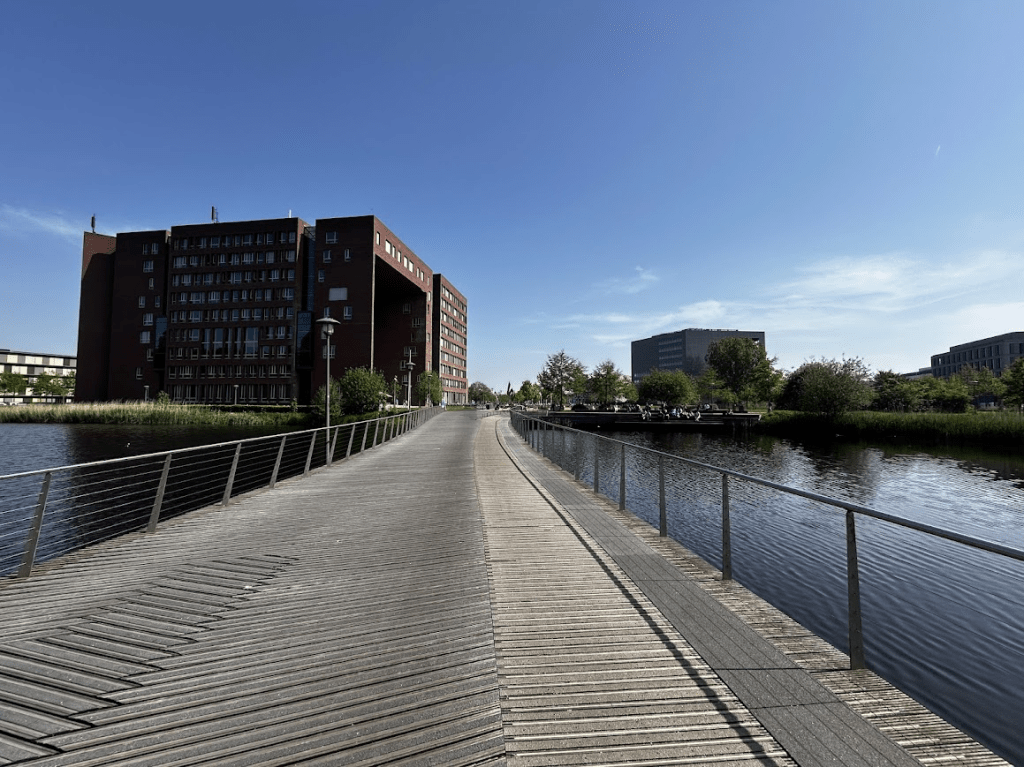
Wageningen University in the Netherlands. Source: My camera roll
So what can we do about this? Let me take you back to when I was studying abroad in the Netherlands. After a month of living in the Netherlands, I came to realize that the Dutch are quite an exclusive type of people. And it’s understandable, despite people from all over the world living in the Netherlands, most Dutch keep to themselves because they prefer to speak with people of the same language. Seeing this from an outside perspective, especially as an American, was an eye-opener to me. As many issues as this country has, we are still quite an inclusive society when compared to the rest of the world. I personally feel a lot of pride knowing that we are the “melting pot of the world”. And I don’t know about most people, but I always develop a keen interest in people who come from different countries or different cultures other than my own. But, I am getting ahead of myself. This initial shock to me that it was going to be quite hard to make Dutch friends for me was quite saddening. It definitely led to some initial moments of loneliness, because it felt like an even harder task to find friends. The people that I had met during my first few weeks were either American or Canadian and while it was easy for me to get along with them, I did not feel much of a connection with them, which in the long run, turned out to be a good thing. It wasn’t until I took it upon myself to branch out to other internationals as well as make a more intentional effort to acclimate to the Dutch culture and language, that I started to make friends. Going to club events and university-related activities which I wasn’t initially comfortable with, allowed me to make friends with people from Finland, Turkey, Portugal, and Singapore. People I did not expect to make friends with. And saying a few Dutch greetings and phrases to my Dutch classmates went a long way in showing them that I had respect for their culture and language, and in return, I slowly began to make some Dutch friends. However, this would not have been possible had the people that I had met, not made an effort to get to know me as well. I am grateful for the Dutch classmates who took an effort to introduce themselves to me and take interest in me as a person. I appreciate my international friends, who despite having English as their second language, accepted my invitations to join me at various activities so that I could chat with them in a language they weren’t as confident in. It’s as they say, “friendship is a two-way road”, but it’s an especially difficult two-way road when you each come from different cultures/countries. However, when you make it work, that bond is much stronger.
So what should you make of this? Does every boilermaker need to go abroad for a few months to understand the beauty of diversity? As much as I would encourage that, it’s not necessary. We as students need to create a culture where it is encouraged to meet and mingle with people we are more unfamiliar with. And especially for white students, we need to take the initiative to immerse ourselves in minority cultures, such as visiting one of the many cultural resource centers across campus. As well as be more inviting to minority students in areas where diversity is lacking, one example being Greek life. Ultimately, as a society, we face numerous challenges, many of which are persistent issues we’ve grappled with for decades. Yet, time and again, we attempt to address them with the same outdated solutions, shaped by decision-makers who often share similar perspectives. It is only through embracing diversity—bringing in new voices, fresh ideas, and varied viewpoints—that we can hope to solve these long-standing problems in innovative and effective ways.
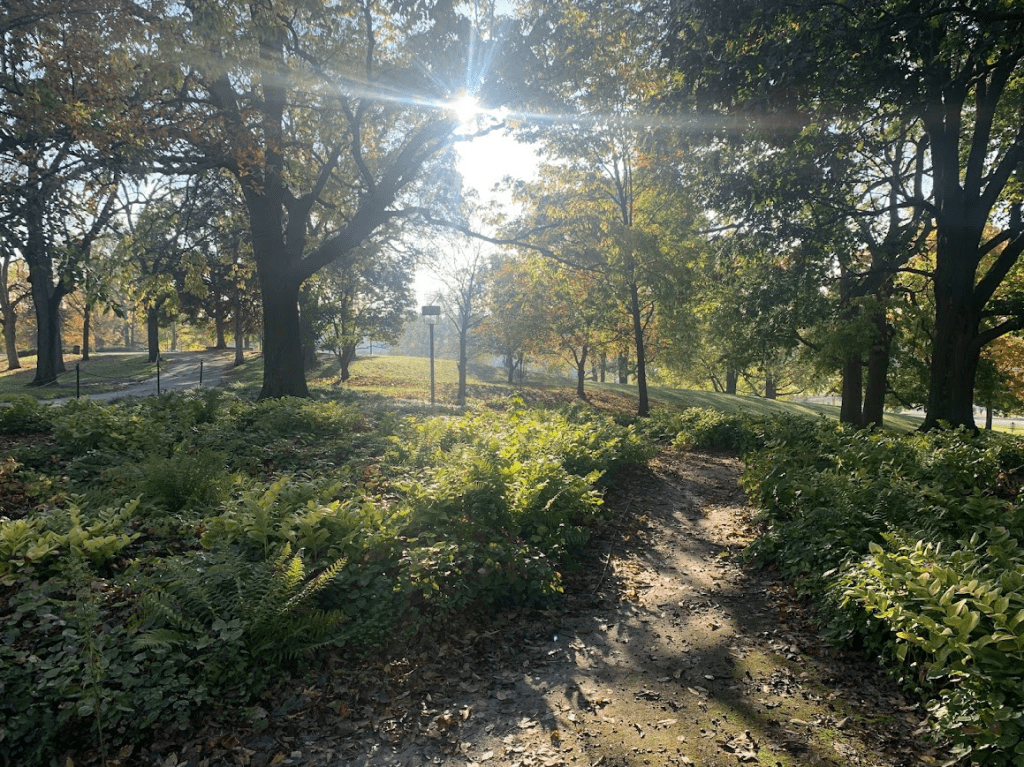
Top of Miller Hill at Purdue. Source: My camera roll
 GenZ-Earther
Leave a comment